Energy & UtilitiesEnhance Customer Experience
The human grid asset: Scaling grid stability through gamification
The modern utility landscape is defined by rapidly evolving pressures.
Read article

Energy & Utilities AI Supply Chain
04/15/2026
by Wyatt Crider
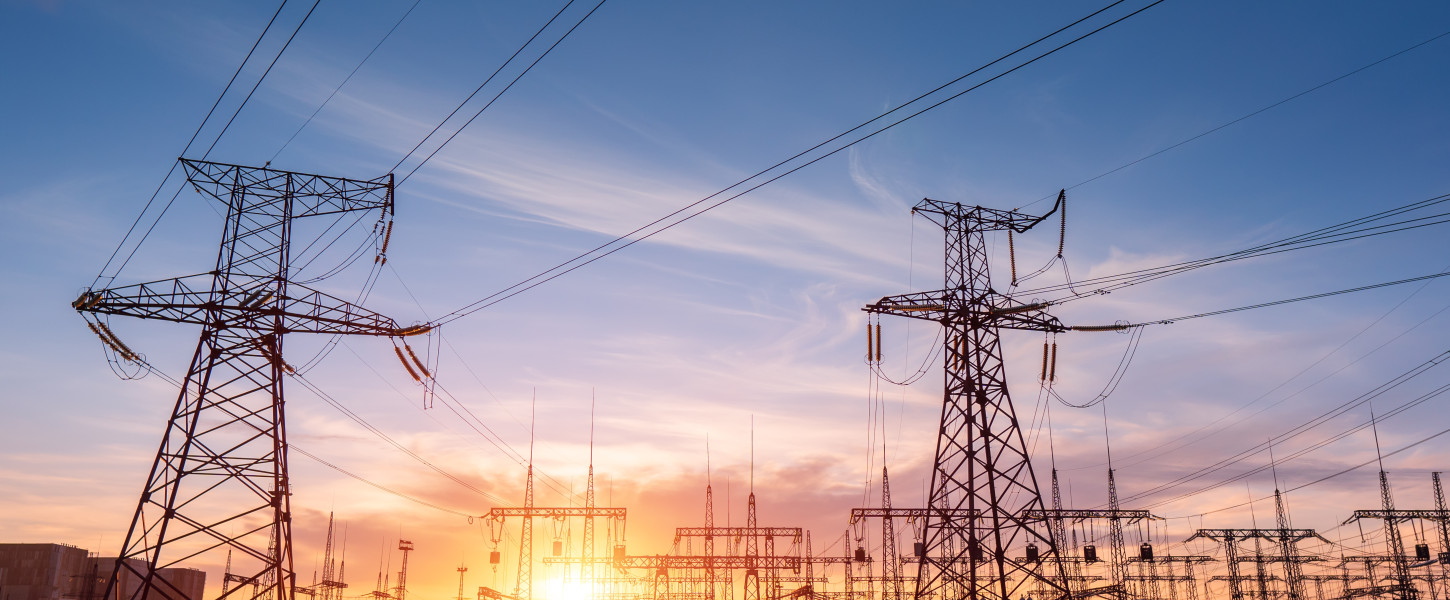
The energy and utilities industry is undergoing the most rapid growth since the 1950s, when petroleum and natural gas overtook coal as the primary sources of energy in the U.S. What drives today’s growth is not a change in supply, but changes in demand—particularly from AI data centers, which are projected to add an additional 50+ GW of demand by 2030.
Between this sharp growth in demand and the volatility of the power manufacturing industry, energy infrastructure is becoming a bottleneck to service customers. As such, it’s more important than ever that the energy supply chain plans intelligently, pivots effectively, and executes efficiently across its transportation network. However, when you look deeper, it becomes clear that realizing the value of AI depends on more than the technology alone.
For all the optimization and efficiency AI can introduce to your supply chain, there are a few areas where it falls short. Most notably, strategic prioritization, decision-making in unprecedented scenarios, and managing human behavior. When a critical part is needed at a construction site, but a hot-shot delivery will incur a high cost, is it more important to deliver the inventory, or can it wait until the next scheduled shipment? What about when a carrier is underperforming relative to their KPIs, but they have a long-standing relationship with your organization, and are integrated with other parts of the business? Or when informal, undocumented scheduling rules are being violated by the AI-generated transportation schedule? AI can learn priorities and business rules over time, but it doesn’t pull them out of thin air; it interprets the goals of those working within supply chain and uses them to inform decisions. The source of these rules—humans who work every day to keep the grid up and running—are irreplaceable.
AI supply chain planning and execution tools provide organizations with the capability to plan intelligently, adjust dynamically when circumstances change, and automate manual tasks. They allow users to spend less time looking for problems and more time solving them by evaluating trends within your supply chain and outside of it. However, without the requisite staff to prioritize and act on recommendations, the value of AI diminishes and is at risk of becoming another in a long list of enterprise tools meant to provide insights that end up falling flat.
Smart, experienced people are the key to unlocking your company’s value of AI. Without taking the time to hire and develop junior staff, the next generation of supply chain veterans may be smaller than we hope. Investing in people alongside AI is essential for your future success, and Sendero has the expertise to help you turn that combined investment into sustained results.
Business insights
Energy & UtilitiesEnhance Customer Experience
The modern utility landscape is defined by rapidly evolving pressures.
Read article
Energy & UtilitiesImprove Operations
Most bid-to-bill initiatives begin with technology decisions, but as business needs evolve to support market shifts,…
Read article

Energy & UtilitiesAI
Utilities across the country are facing an unprecedented strain on their energy grids. To keep pace with this…
Read article
Energy & UtilitiesData & Analytics
You have the data. The problem isn’t technology; it’s the last mile gap between insight and action.
Read article

Energy & UtilitiesImprove Operations
Utilities have experienced rapid expansion over the last decade. To meet system demands and updated regulations,…
Read article
Energy & UtilitiesOptimize Technology
Instead of implementing static, one-size-fits-all solutions in an environment where threats are continuously evolving,…
Read article