Manufacturing & CPGEnhance Customer Experience
A new era in packaging: The consumer driven factory
The new era in packaging requires a fresh perspective on the “consumer-driven factory”, where packaging serves as a…
Read article

09/10/2024
by Thomas Moseley
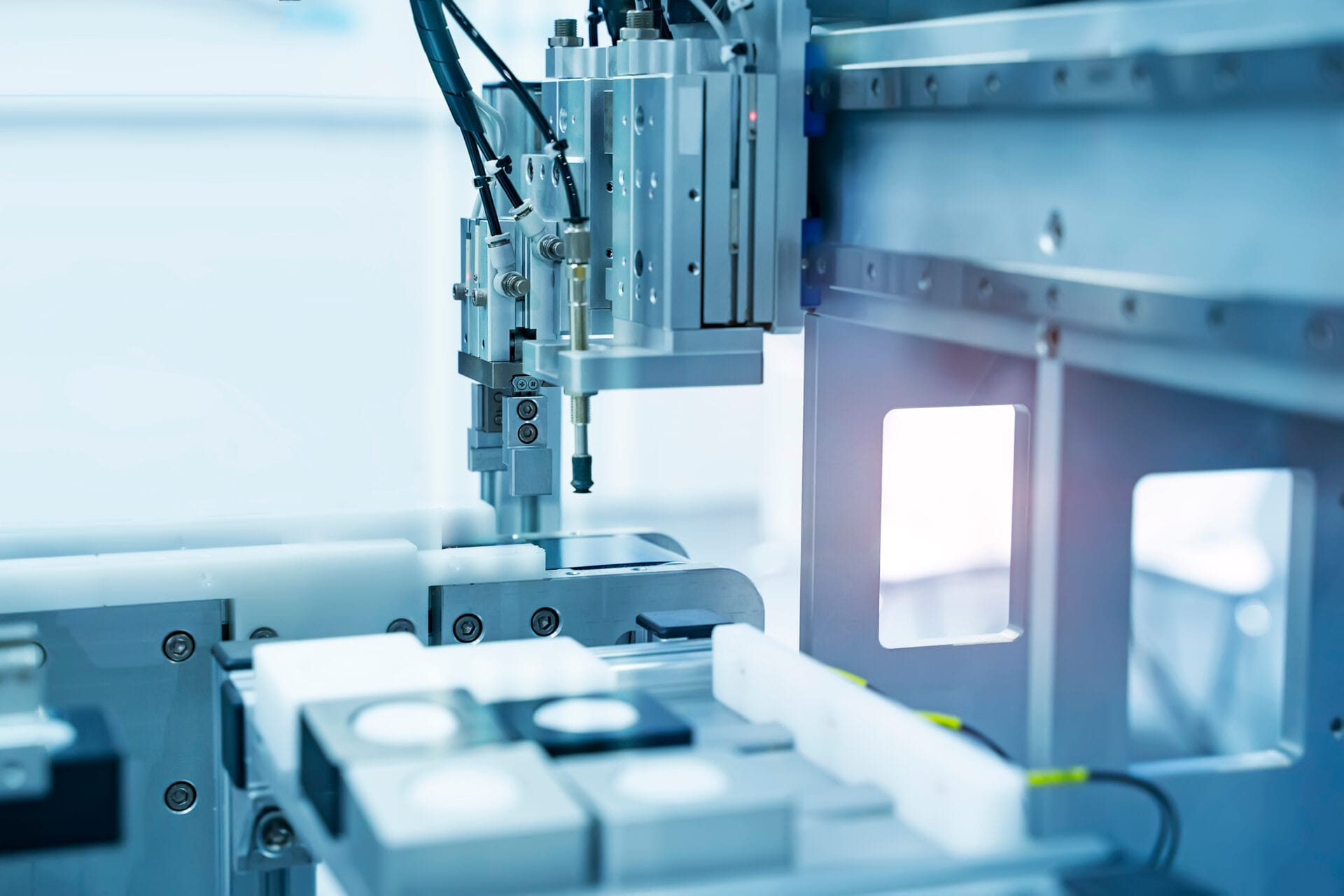
In the world of manufacturing, organizations have been inundated with the latest technology trends like large language models (LLMs) and AI-driven content generation. Yet, seasoned industry professionals know that the real workhorse behind the improvements in smart factories—a highly automated manufacturing facility that uses advanced tech systems and machinery to generate insights to improve production processes—is still traditional data and analytics. What’s exciting now is how AI advancements are supercharging these data and analytics capabilities, leading to unprecedented levels of efficiency, innovation, and sustainability. Let’s dive into how these powerful tools are reshaping smart factories and paving the way for the future.
Effective and efficient business practices today can be summarized in one phrase: data-backed. The past two decades have unlocked the potential to capture more information—about supply chains, production lines, and customer demand—and then apply that intel to optimize future decisions. As the decision-making cycle moves more quickly, thanks to real-time feedback and a finely-tuned global supply chain, the value of a strong approach to data and analytics becomes more valuable. Today, factories around the world are becoming smarter by:
In order to remain competitive, smart factories must prioritize continuous improvement initiatives that will enable a more responsive supply chain, a better employee experience, and a more seamless customer experience. Three of the biggest opportunities for growth are:
1. Continuing to grow the technology stack. Edge AI is a game-changer for real-time data processing. By analyzing data locally, organizations can make instantaneous adjustments, boosting efficiency and reducing downtime. Imagine detecting a potential machinery fault and rectifying it in real-time—no more costly interruptions. Additionally, collaborative platforms and dashboards enhance decision-making by providing real-time insights. These tools allow stakeholders to monitor production metrics and supply chain status, quickly identifying areas for improvement. For example, using a dashboard to track key performance indicators (KPIs) enables timely interventions and adjustments.
2. Prioritizing supply chain optimization and resilience. AI-driven decision intelligence tools enable manufacturers to analyze supply chain data more effectively, identifying bottlenecks and inefficiencies with greater accuracy. By addressing these issues, processes can be streamlined, enhancing overall efficiency. Building resilience through AI-enhanced data-driven strategies is vital for handling disruptions. Real-time data, powered by AI, allows for quick adaptation to unexpected events, ensuring continuity. For example, during a natural disaster, AI can help reroute supplies and adjust production schedules, minimizing impact. End-to-end visibility, supported by technologies like blockchain and advanced ERP systems, ensures seamless information flow across stakeholders. This ultimately provides a comprehensive view of the supply chain, facilitating better decision-making and transparency.
3. Ensuring transparency and traceability across the board. Ensuring product traceability from raw materials to end customers builds trust and ensures quality. Leading companies are increasingly using track and trace capabilities through blockchain technology to monitor every step of the supply chain. For example, in the pharmaceutical industry, blockchain enables firms to track and trace medications by assigning unique serial numbers to each batch, ensuring that every movement is recorded and tamper-proof. This system not only helps quickly address recalls but also prevents counterfeit drugs from entering the supply chain, safeguarding both patient safety and regulatory compliance. Similarly, in the food and agriculture sector, blockchain provides end-to-end visibility, allowing companies to trace products back to their source rapidly in the event of contamination, thereby minimizing risk and maintaining brand integrity.
While AI is undeniably transforming smart factories, ongoing advancements in traditional data and analytics remain the backbone of this revolution. These technologies continue to drive efficiency, agility, and visibility, ensuring that manufacturing operations stay at the cutting edge. As organizations move forward, the true potential lies in combining these foundational tools with AI to unlock even greater capabilities. For those ready to enhance their data and analytics strategies, Sendero’s consulting services and resources are available to guide the journey toward a smarter, AI-enhanced future.
Business insights
Manufacturing & CPGEnhance Customer Experience
The new era in packaging requires a fresh perspective on the “consumer-driven factory”, where packaging serves as a…
Read article
Manufacturing & CPGDigital Engagement
To truly maximize deal value in manufacturing M&A, leaders must prioritize proactive digital infrastructure alignment,…
Read article
Manufacturing & CPGUKG
For manufacturers, having an efficient workforce management (WFM) system in place isn’t just a convenience—it’s…
Read article