AwardNews
Sendero named to Inc. 5000 fastest-growing private companies list
DALLAS, TX – Sendero, a full-service management consulting firm, announced it has been named to the 2026 Inc. 5000…
Read article


03/04/2022
by Camryn Dooley and Jeremy Fonteneaux

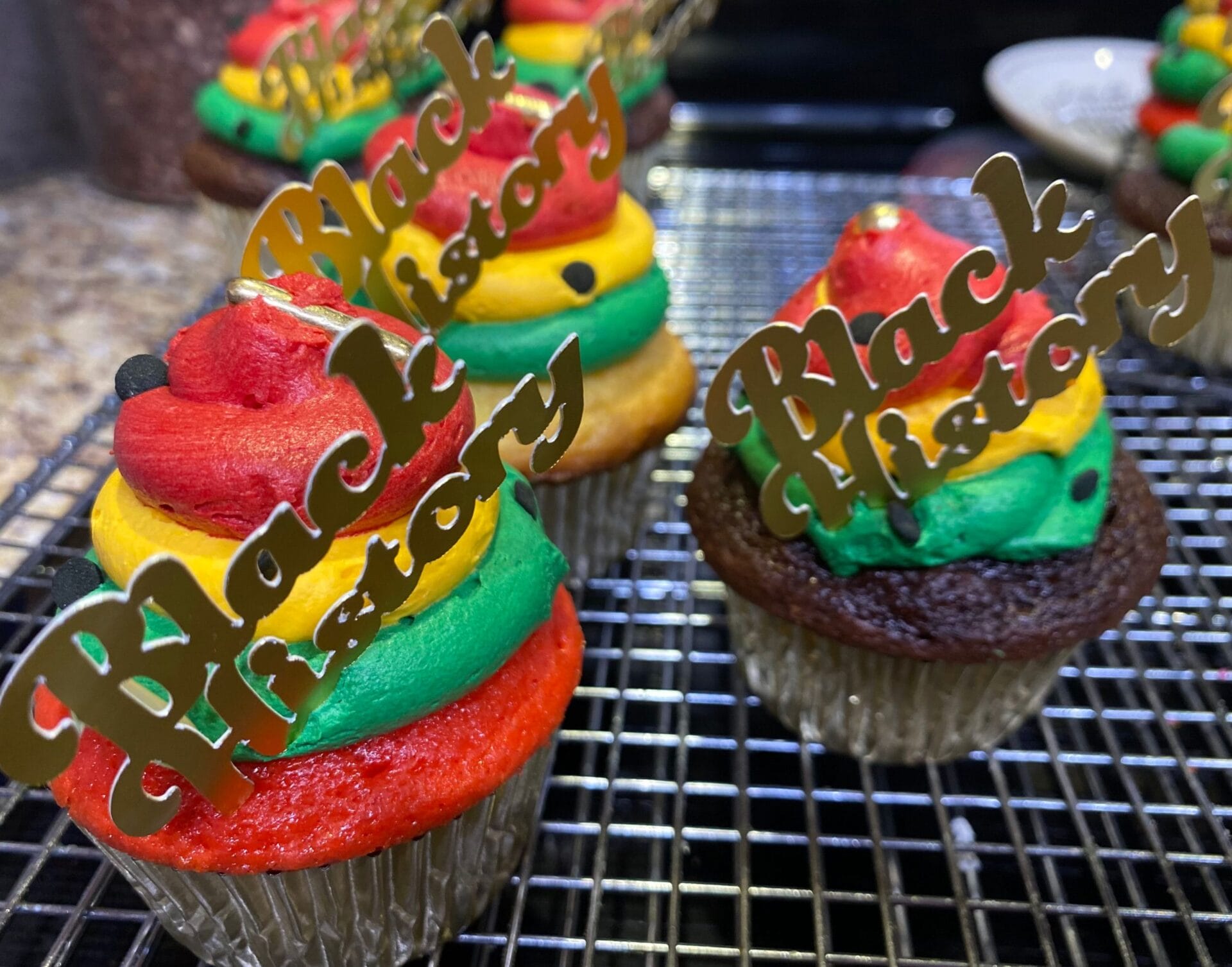
In honor of Black History Month, Sendero hosted a panel to discuss and showcase the challenges, opportunities, and successes of Black professionals in the workplace. Employees had the option to watch the panel virtually or from our Dallas and Houston offices while enjoying food from local Black-owned restaurants: Hurd’s Cuisine, Cake Me Crazy, and Upper Kirby Bistro.
With a focus on “Black in Business,” we sat down with three profound female professionals in the Dallas community and discussed representation, gentrification, mental health, challenges faced by Black women in the workplace, and the rise of Diversity, Equity, & Inclusion.
Meet our panelists: Kaila, Hannah, and Macy.
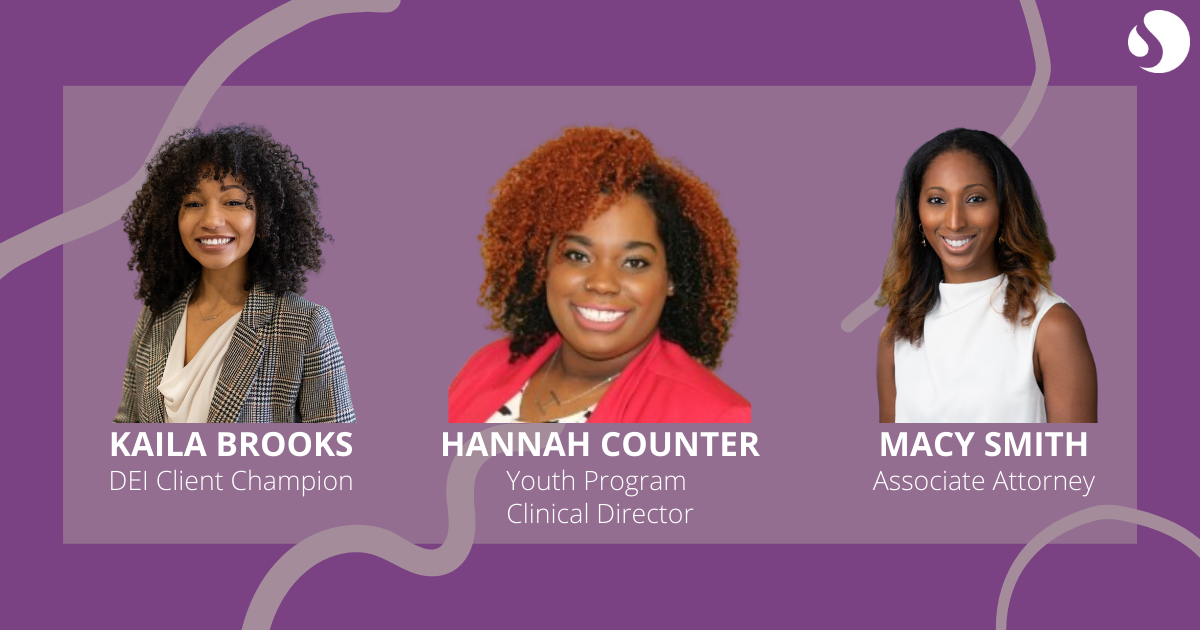
We are so thankful to these three inspiring women for sharing their stories and experiences with us here at Sendero. Keep reading to discover some of the key insights from the Q&A portion of the discussion.
What are some of the barriers for the Black community in prioritizing their mental health?
HANNAH: Seeing Naomi Osaka and Simone Biles prioritize their mental health over sponsorships, expectations, and payouts is such a win; not only for mental health in general, but also for young Black women and Black people. In 2020, with the death of George Floyd, we saw this idea of generational trauma rise to the surface. As unfortunate as his death was, it served as a catalyst for people to really start to think about and prioritize mental health, especially in the Black community. In this country we prioritize physical health, but people need to realize mental health is just as important.
Black people have faced numerous barriers in mental health over the years, the largest being access which is rooted and steeped in racism. Historically, the Black community did not have access to the quality mental health services that are seen as best-practice in psychology today. This forced Black people to learn to cope with mental health in other forms, such as religion and involvement in the Black church.
One of the largest things we are still facing with mental health is racism and the overall stigma within our society surrounding mental health and disorders. As a Black mental health professional, it is part of my purpose and passion to serve people who look like me. I realize the barriers these individuals face and know that these individuals would not have access to mental health services otherwise. It is incumbent upon me to give them the best possible services they deserve so that they can access the life that they want.
As a manager or co-worker, how can you provide an environment where people don’t feel the need to code switch (note: code switching is the process of shifting from one linguistic code to another, depending on the social context or conversational setting)?
KAILA: One thing about professionalism is that it is a subjective concept that exists in everyone’s mind. Because of this, it’s important to be aware of what biases you may have and understand how this impacts your view of professionalism. Professionalism is supposed to be something that helps you be successful in the workplace as far as presentation, speaking, and interacting. As a manager it is important to ask yourself, “Is what this individual is doing hurting them in any way, or is it hurting the quality of their work?” If you are going to give feedback surrounding professionalism, make sure it is tangible feedback. Professionalism is a gatekeeping concept that can easily be weaponized. Look at what biases are in play when you are saying, “that wasn’t professional” or “that wasn’t polished.”
 In a diverse workplace, what are the best ways to connect with people who are different from you? How do you learn more about them while minimizing microaggressions and not making them feel uncomfortable?
MACY: One way you can connect with people is by educating yourself and not putting the obligation on the person you want to get to know better. If you are saying that you want to “get to know me,” but then are asking questions about my hair, things do not match up. Yes, that is a part of me, but that’s not me as a person. If you want to learn more about me as a person, then those are conversations and experiences that we can share together. I would encourage anyone who is interested in a specific topic surrounding another culture to do research on their own, and then if you are curious on how that topic affects an individual within that culture, address it in that way. But resist the urge to put people in a position where they must educate you on their culture in addition to doing their job at work.
What about being Black brings you joy or inspires you the most?
HANNAH: What brings me the most joy is seeing the resilience of our people.
MACY: Black people are vibrant. You can see this in our dress, our speech, our food, etc. It is this vibrancy of Black people that brings me joy.
KAILA: What I enjoy the most is the culture – the style, the flare, the creativity, and the overall pizazz that Black people bring to a space. Whatever we do, there is an extra little bit of seasoning on it; whether it be the music, self-expression, or food, and that is what brings me the most joy.
Wondering how you can support the Black community beyond the events that happened during Black History Month? There are important steps you can take to continue to support and to educate yourself on the triumphs and tribulations of being Black in America.
1. Engage in difficult conversations and encourage dialogue across differences. Organize or join group discussions with your loved ones where you focus on being open, honest, and civil.
2. Actively participate in diversifying media and your own media intake to include Black voices.
3. Support Black-Owned Businesses in your local community and beyond. This tangible support aids in closing the racial wealth gap and allows for the growth and expansion of Black-owned businesses. Start by looking up a list of Black-owned businesses in your community and pick one company, restaurant, brand, or store to support each week!
4. Support, participate, and donate to organizations that serve the Black community. There are many events to attend, ways to get involved, and causes to support that push for equity and justice in the Black community. Organizations such as the Black Lives Matter Global Network Foundation, NAACP, Race Forward, and the Equal Justice Initiative are great places to start.
1. Watch 13th and Malcolm X. These documentary films teach about important historical figures, events, and concepts of justice, race, and mass incarceration that have affected the Black community in America.
2. Read The Color Purple by Alice Walker, Conversations in Black: On Power, Politics, and Leadership by Ed Gordon, and Uncomfortable Conversations with a Black Man by Emmanuel Acho. Books can be a wonderful source of education for topics surrounding the Black community. The books listed above focus on traumas and triumphs of Black people, Black leadership, and the truths of systemic racism.
3. Listen to Code Switch and Pod Save the People with DeRay. These podcasts are great to turn on when you’re on a road trip, taking a walk, or even doing chores around the house. They focus on conversations about race and explore concepts of news, social injustice, and culture.
4. Learn more by engaging with webinars and presentations. These TED Talks focus on discrimination, awareness, representation and understanding:
Thank you again to our panelists for sharing their stories and insights. We’re looking forward to learning more and continuing these important conversations, inside and outside of the office.
awards
AwardNews
DALLAS, TX – Sendero, a full-service management consulting firm, announced it has been named to the 2026 Inc. 5000…
Read article
AwardNews
DALLAS, TX – Sendero is proud to be recognized as a 2026 Top Workplaces Culture Excellence winner across multiple…
Read article

AwardNews
DALLAS, TX — Sendero has been honored by Great Place To Work and Fortune magazine as one of this year’s Best…
Read article

CAREERS
An award-winning environment where you can create your path to a rewarding career.