Energy & UtilitiesAI
Modern grid paradox: Leveraging AI to meet unprecedented demand
Utilities across the country are facing an unprecedented strain on their energy grids. To keep pace with this…
Read article

Energy & Utilities Assessment & Optimization
02/10/2022
by Brittney Effner and Jennifer Rossi
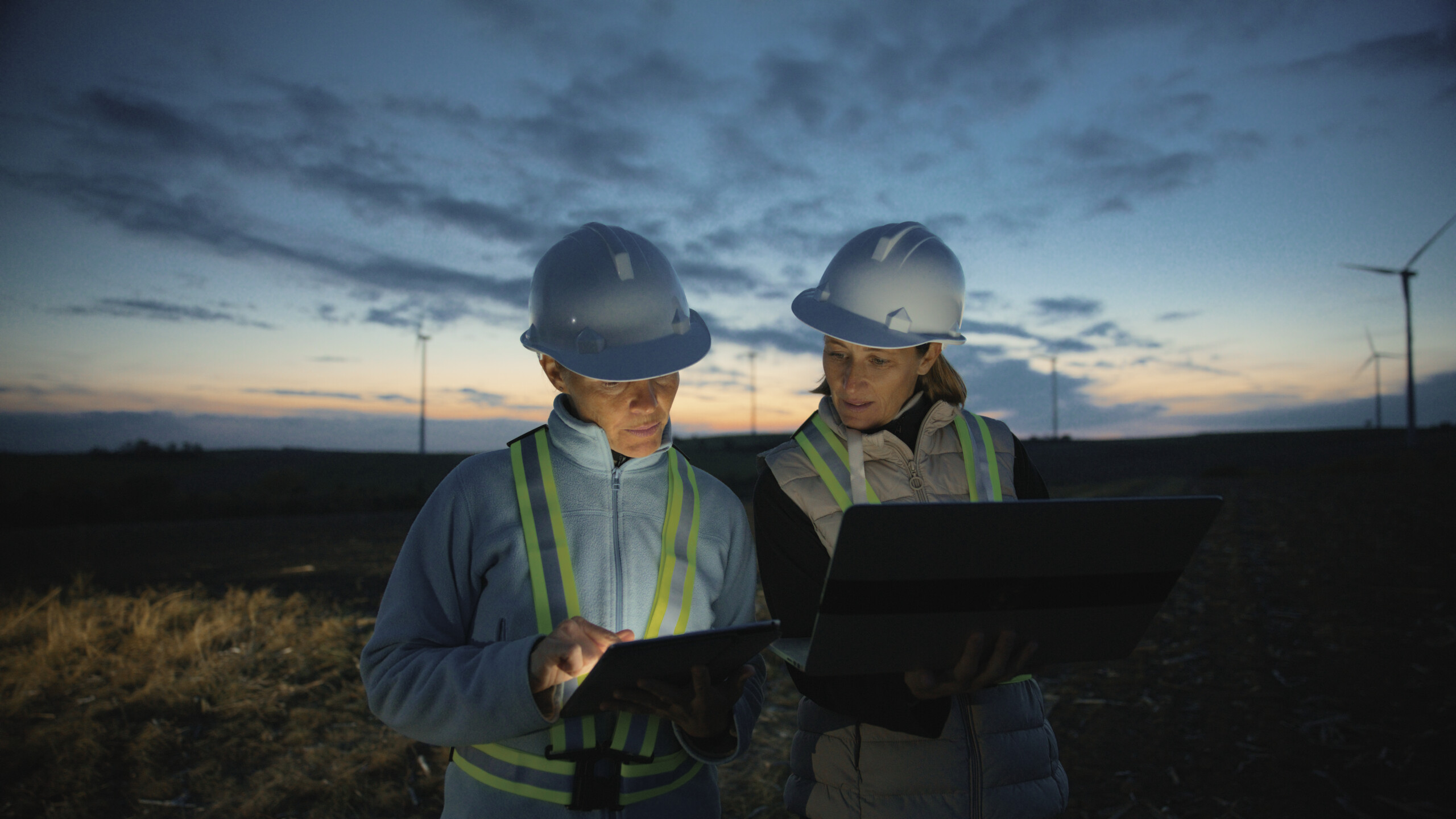
How does evolving technology impact the future of safety in utilities? Like other industries, utilities continually adopt new technologies to better meet customer demands and conduct business more efficiently in the modern age. However, the electric utility industry is faced with a unique challenge: manage training so that field workers learn to safely operate technologically advanced equipment quickly enough to not disrupt the power grid. As equipment and technology evolve in the utility space, it is crucial that organizations integrate new technologies now and frequently provide on-the-job training to operate safely in the future.
Increased reliance on new technologies in the utilities space is caused by a variety of reasons, including increasing demand and growing pressure to modernize. A recent BizTech article states, “the industry [has] faced concerns over grid reliability while adapting to an increased demand for renewable sources of energy.” T&D World published an article on the industry’s recent shift toward implementing advanced technology for upcoming grid modernization plans, noting that the growth of the distribution automation market demonstrates how companies are investing in equipment to address these concerns. A Globe News Wire article states that factors such as continually rising demand for automated grid distribution processes and reliability improvement programs by the government have driven distribution automation market growth, which is projected to reach a valuation of 22.8 billion by 2027. This indicates that workers have been forced to quickly gain new skills to operate complicated technologies, and they must also be trained in the intricacies of constructing and troubleshooting these new technologies.
Examples of new technologies in the field include:
If the workforce does not quickly learn how to use these new technologies, safety will ultimately be compromised.
For the field workers installing and maintaining equipment on the grid, there are many barriers to utilizing technology in the field.
With the expectations mounting to use new systems, devices, and software; workers may find themselves in a tough position.
Organizations must ensure that enough time and resources are dedicated to verifying worker comprehension of new safety protocols and the technology supporting them.
When reviewing their current training practices and programs, organizations should consider the approaches below. These approaches can help teams improve and develop training to address new technologies and ensure employee engagement.
1. Mobilize teams to develop varied training. Determine the current technology fluency of workers and develop training resources that accommodate the varied needs of workers based on current proficiencies.
2. Invest in well-rounded training. This can include mobile training resources (e.g., introducing tablet-based learning), external training resources, processes to track training compliance, safety platforms, facilities, and equipment demonstrations.
3. Invest in non-traditional training resources that can be accessed in a traditional workspace or via mobile device while the employee is traveling to a job site. With augmented reality on mobile devices or tablets, field workers can access virtual, on-demand training, providing them with realistic scenarios using 3D models of equipment and assets. Successfully leveraging this kind of technology requires a team that understands the obstacles field workers face. Organizations must recognize the unique challenges of bringing technology to field workers, such as finding time to train workers on app navigation and how to save data offline when there is limited or no cell service.
4. Incorporate OCM activities by emphasizing the importance and/or benefits of new technology to employees. Investing in organizational change management (OCM) is a critical component that ensures field workers understand the reasons for the change and how it impacts safety. Without an emphasis on the “why,” some employees may slow down overall adoption; or worse, employees may lack the level of engagement required to use the new technology safely.
Before organizations can adopt cutting-edge tools, they must adequately train and master technologies that allow for greater accessibility and mobility. On-the-job training that incorporates all levels of new technologies (for anything from new apps to new safety monitoring systems) will help workers acclimate during an era of frequent and often intense changes.
Electric utilities must invest the time and resources now to ensure that all workers, both in the office and in the field, have the resources and knowledge to use new technologies without compromising safety. If organizations do not act now, workers will struggle to keep up with change while doing their job safely.
Above all, training workers to do their jobs more efficiently and safely is an investment that protects lives. It also ensures that the company is agile enough to keep pace with the way technology impacts the future of safety and the industry. Now is the time to make the investment necessary to embrace new technologies.
Interested in learning more about Sendero’s projects related to safety and utilities? Use the “Contact us” button above to reach out to one of our consultants.
Business insights
Energy & UtilitiesAI
Utilities across the country are facing an unprecedented strain on their energy grids. To keep pace with this…
Read article
Energy & UtilitiesData & Analytics
You have the data. The problem isn’t technology; it’s the last mile gap between insight and action.
Read article

Energy & UtilitiesImprove Operations
Utilities have experienced rapid expansion over the last decade. To meet system demands and updated regulations,…
Read article

Energy & UtilitiesAI
The energy and utilities industry is undergoing rapid growth. It’s more important than ever that the energy supply…
Read article

Energy & UtilitiesOptimize Technology
Instead of implementing static, one-size-fits-all solutions in an environment where threats are continuously evolving,…
Read article

Energy & Utilities
With ERCOT’s Real-Time Co-optimization plus Batteries initiative, a shift in how energy and ancillary services are…
Read article